



How to Get a Fax Number for Business: Step‑by‑Step Registration Guide
How to Choose a Fax Number for Business in 2026
What Is a Fax Number for Business?
A fax number for business is a dedicated telephone line that receives fax transmissions in a format that can be printed or stored digitally. Historically it was a physical line connected to a fax machine, but today most companies use virtual fax numbers that route incoming faxes to an online inbox, email, or cloud storage.
Because a fax number is tied to a unique DDI (Direct Dial-In) prefix, it appears to external partners as a traditional phone line, preserving the professionalism of a land‑line address while leveraging modern cloud infrastructure.
Who Really Needs a Fax Number?
Even in a digital‑first world, certain industries still rely heavily on fax for legal, compliance, or partner‑specific reasons. Healthcare providers must meet HIPAA requirements, financial firms often need faxed contracts, and government agencies may mandate fax for secure document exchange.
Beyond regulated sectors, many small‑to‑medium businesses use fax to reach clients who prefer or only have fax capability—think real‑estate brokers, legal offices, and manufacturers that exchange purchase orders via fax.
How Fax Numbers Work in 2026
Modern fax services assign you a virtual number that can be linked to any device—smartphone, tablet, laptop, or desktop. When a sender faxes to your number, the service receives the transmission, converts it to a PDF, and delivers it to the destination you configure.
This cloud‑based workflow eliminates the need for paper, ink, and dedicated hardware. It also provides a searchable archive, automatic backups, and the ability to forward faxes to multiple email addresses or workflow tools such as CRM platforms.
Key Features and Benefits
When evaluating a fax number for business, look for features that match everyday workflow needs:
- **Incoming & outgoing fax** – ability to send from email or a web portal.
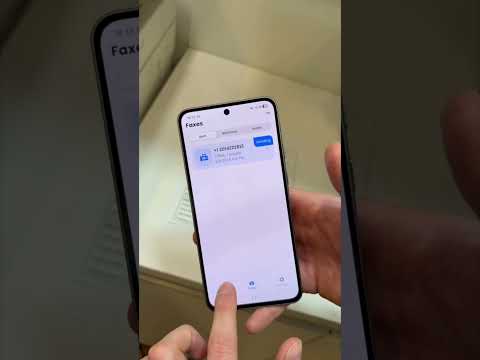
- **Mobile app** – receive and send faxes directly from iOS or Android devices.
- **Digital archiving** – searchable PDF storage with retention policies.
- **Multi‑user access** – shared inboxes for teams and role‑based permissions.
- **Security controls** – encryption at rest and in transit, audit logs.
These capabilities translate into tangible business benefits: reduced operational costs, faster document turnaround, improved compliance, and a professional image that reassures clients.
Choosing the Right Fax Service – Decision Factors
Not all fax providers are created equal. The following table outlines common criteria and what to ask when comparing options.
| Criteria | Why It Matters | Typical Options |
|---|---|---|
| Number Type | Local vs. toll‑free influences perception and cost. | Local DDI, Toll‑Free, International |
| Integration | Seamless connection to email, CRM, or document management. | API, Zapier, native app plugins |
| Security | Compliance with HIPAA, GDPR, or industry‑specific standards. | Encryption, audit logs, access controls |
| Scalability | Ability to add users or numbers as the business grows. | Per‑user pricing, bulk discounts |
| Support | Responsive help when fax delivery fails or settings need adjustment. | 24/7 chat, phone, ticket system |
Prioritize the factors that align with your business needs. For example, a healthcare clinic should place security and compliance at the top, while a sales team may value integration with their CRM above all.
Setup and Integration Steps
Getting a fax number for business is usually a three‑step process:
- Select a provider and choose the number type (local, toll‑free, or vanity).
- Configure routing – point incoming faxes to an email address, cloud storage folder, or workflow automation tool.
- Test and train – send a test fax, verify PDF receipt, and onboard team members on the web portal or mobile app.
Most services offer a wizard that guides you through these steps, and many provide sample APIs for developers who want deeper integration with custom software.
Pricing Models, Support, and Frequently Asked Questions
Pricing for a fax number for business typically follows one of two structures: a monthly subscription per line, or a pay‑per‑fax model. Subscriptions often include a set number of inbound/outbound pages, while pay‑per‑fax charges per page transmitted.
Support quality varies, but reliable vendors provide 24/7 live chat and phone assistance, plus a knowledge base covering common error codes and configuration tips.
Quick FAQ
- Can I keep my existing number? Many providers let you port a current landline or mobile number to a virtual fax service.
- Is fax still secure? When encrypted and stored in a compliant environment, digital fax is often more secure than paper‑based fax.
- Do I need special hardware? No—only an internet connection and a device to access the service.
If you’re ready to explore options, start by researching providers that meet your security and integration criteria, then follow the simple setup steps outlined above. For a step‑by‑step walkthrough, see the guide on how to get a fax number.